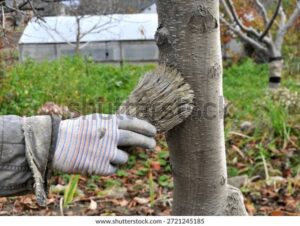
A beautiful landscape often depends on the condition of the trees growing around a property. Mature trees provide natural shade, create privacy, and make outdoor spaces more enjoyable throughout the year. However, maintaining their health requires regular observation and a little planning. From my experience working with residential landscaping projects, I have noticed that homeowners often underestimate how much their daily maintenance habits influence tree growth. Consistent tree care can help prevent common problems and keep outdoor spaces looking attractive for years.
Start With a Proper Tree Assessment
Before deciding what maintenance a tree needs, I always recommend examining its overall condition. Looking at the trunk, branches, foliage, and surrounding soil can reveal several useful details. A tree with healthy leaves may still have damaged roots or structural weaknesses that are not immediately visible. This is why examining the entire tree is more helpful than judging its condition by appearance alone.
Pay attention to changes that develop over time. Branches that suddenly lose leaves, unusual bark damage, and visible fungal growth may indicate underlying issues. Some symptoms are caused by seasonal changes, while others require professional attention. Keeping track of these observations makes it easier to recognize when something is not normal.
Support Healthy Root Growth
Roots play a major role in keeping trees stable and supplying them with water and nutrients. They need sufficient space, oxygen, and suitable soil conditions to develop properly. When the surrounding ground becomes compacted, root growth may become restricted, affecting the tree’s overall condition.
One common mistake is allowing construction materials or heavy equipment to remain beneath mature trees. These activities can damage roots and compress the soil. I recommend protecting the area around established trees whenever possible, particularly during driveway improvements and other landscaping projects.
Organic mulch can also support root health. A moderate layer of wood chips helps retain moisture and protects the soil from temperature fluctuations. Keeping mulch away from the trunk prevents excessive moisture from collecting against the bark.
Water Trees According to Their Needs
Watering requirements depend on several factors, including tree species, age, soil type, and local weather. Newly planted trees generally need more frequent watering while their roots establish themselves. Mature trees have larger root systems, but they may still require additional moisture during extended dry periods.
I prefer slow, deep watering because it allows moisture to reach the root zone. Applying water too quickly may cause runoff, especially on compacted or sloped ground. Checking soil moisture before watering helps avoid unnecessary applications.
It is equally important to recognize the effects of overwatering. Roots need oxygen, and constantly saturated soil can create unhealthy growing conditions. A balanced watering routine should respond to the actual condition of the soil rather than following an unchanging schedule.
Keep Branches in Good Condition
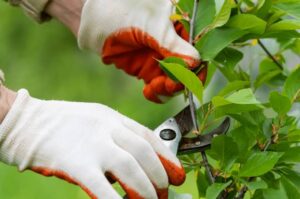
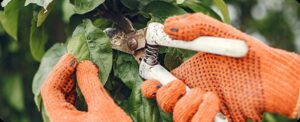
Pruning helps maintain a tree’s natural structure and removes branches that are dead, damaged, or creating problems. Regular inspections can reveal crossing branches, weak attachments, and sections that have been affected by storms. Addressing these concerns appropriately can improve the tree’s overall structure.
I have seen homeowners make unnecessary cuts because they wanted their trees to have a particular appearance. Unfortunately, removing too much healthy growth can weaken trees and interfere with their development. Pruning should always be based on the tree’s condition and natural growth pattern.
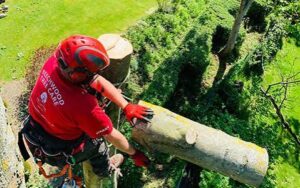
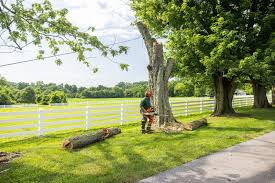
For larger trees, professional pruning is usually the better choice. Working with heavy branches requires suitable equipment, experience, and an understanding of safe cutting techniques.
Prevent Common Pests and Diseases
Insects and diseases can gradually affect tree health if their symptoms are ignored. Some pests feed on leaves, while others attack the bark or internal tissues. Fungal infections may cause spots, discoloration, or decay in different parts of the tree.
Regular observation helps identify unusual changes before they become widespread. However, identifying the cause is essential because similar symptoms can result from different problems. A tree with declining foliage may be experiencing drought stress rather than an insect infestation.
I recommend seeking professional advice when the cause is unclear or symptoms continue spreading. Applying chemicals without proper identification may damage beneficial insects and fail to address the actual issue.
Adjust Maintenance Throughout the Year
Trees experience different environmental conditions as the seasons change. During spring, new growth provides an opportunity to observe foliage development and check for early pest activity. Summer maintenance often involves monitoring soil moisture and protecting younger trees from heat stress.
Autumn is a useful period for examining branches and preparing the landscape for colder conditions. Winter inspections can reveal structural details more clearly on deciduous trees. After storms, broken branches and visible changes in tree stability should receive attention as soon as possible.
A seasonal maintenance routine does not need to be complicated. Regular observations and timely action are often enough to identify many common concerns.
Consider Professional Tree Services
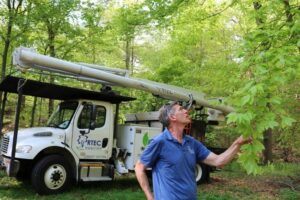
Some tree maintenance tasks require more experience than ordinary gardening. Large-scale pruning, storm damage assessment, disease management, and potentially hazardous trees should be handled by qualified professionals. An experienced arborist can evaluate the tree and recommend appropriate maintenance based on its condition.
Professional guidance is also helpful when planting new trees. Selecting a species that suits the available space, soil, and climate can prevent problems as it matures. Planning ahead reduces the chances of roots interfering with structures or branches becoming difficult to manage.
Make Tree Health a Long-Term Priority
Healthy trees are developed through consistent attention rather than occasional maintenance. Providing appropriate water, protecting roots, inspecting branches, and responding to early warning signs all contribute to better growing conditions. I believe homeowners should view tree maintenance as an important part of caring for their entire property.
Every tree has different requirements, so successful maintenance depends on understanding its individual needs. With sensible planning and professional assistance when necessary, property owners can preserve attractive landscapes and enjoy the benefits of healthy trees for many generations.